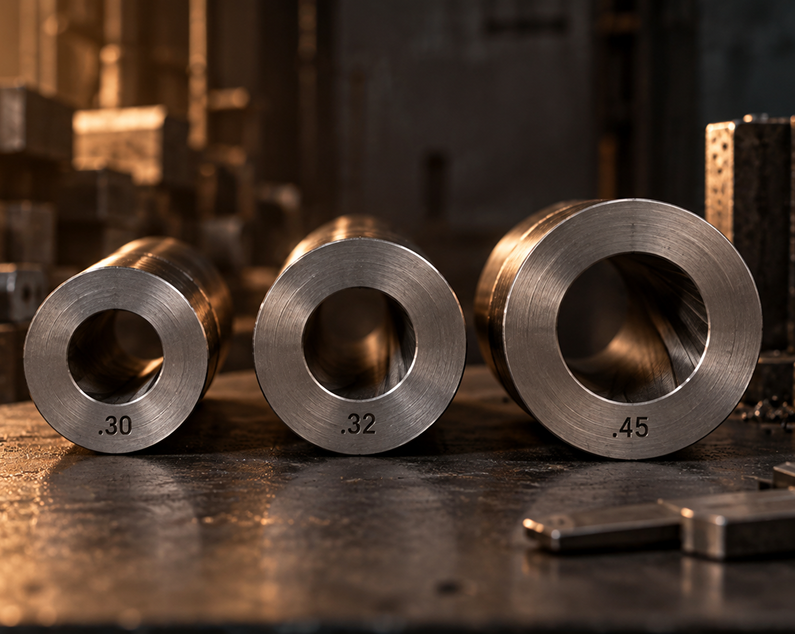
Bore and caliber terminology can sometimes be confusing, particularly when comparing different firearm models. The .30, .32, and .45 designations identify different caliber categories and are commonly used to describe the size and configuration of a firearm.
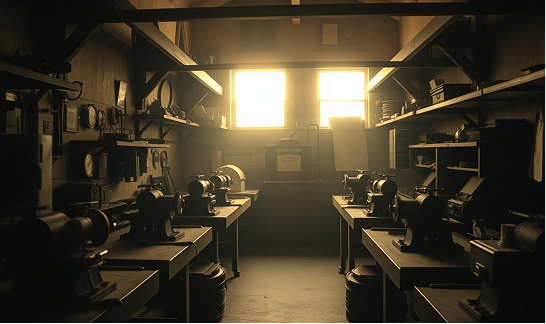
Modern firearm manufacturing combines computer-aided design (CAD), precision machining, CNC technology, finishing, inspection, and quality testing. Each stage is designed to maintain consistency, dimensional accuracy, surface quality, and compliance with applicable manufacturing standards.
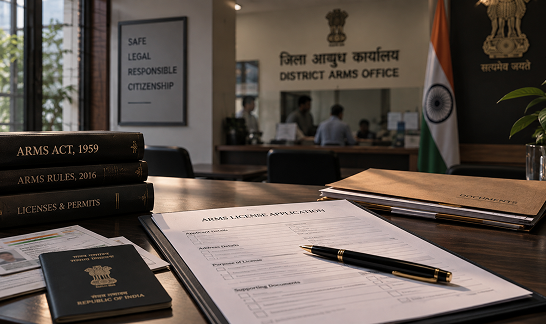
Applying for an arms licence in India involves a formal application, document verification, background checks, and consideration by the appropriate licensing authority. Firearms are regulated under the Arms Act, 1959 and the Arms Rules, 2016, so applicants must meet the applicable legal requirements before a licence can be granted.
When researching firearms in India, you may come across the terms NPB and PB. These abbreviations generally refer to Non-Prohibited Bore and Prohibited Bore, respectively. The distinction is primarily a matter of legal classification and licensing requirements, rather than simply the physical size of the bore.
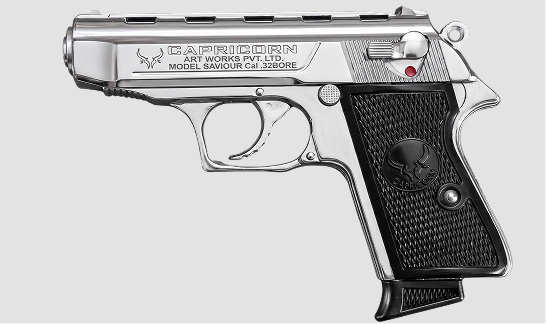
When comparing different firearm finishes, the terms base finish, diamond finish, and engraved finish describe the appearance and decorative treatment applied to the firearm’s exterior. While these finishes can make a significant difference in how a firearm looks, they do not necessarily represent differences in the firearm’s underlying design or function.